Looking for a value?
The page may have moved. Search for an item or open one of these:
Christmas 2025: the Winter Fruit Box, and how event skins age
Update {xfvalue_updver} · released 25 December 2025
What this update touched


What happened to the values
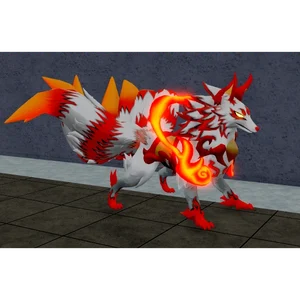
Christmas 2025 was the update that made mutations a market. It landed on 25 December with the Empyrean Kitsune mutation, elves dropping candy around the map, a free gacha you could roll with that candy, and the Winter 2025 Fruit Box in the shop.
The box is the part that still shapes trades today. Out of it came Ember Dragon, Divine Portal and two Empyrean Kitsune skins, Galaxy and Crimson, alongside returning skins like Green Lightning, Torment Pain, Glacier Eagle and Celebration Bomb.
Odds decided everything
Skins from that box are not equal, and the reason is the drop chance rather than how they look. The Kitsune skins sat at the bottom of the odds, Ember Dragon a step above, Divine Portal several steps above that. Fewer copies entered the game at the bottom of that list, and ten months later the values line up in the same order.
This is the most useful thing a new trader can learn about skins: read the odds, not the artwork.
Ten months later
The chart covers the whole life of these items since the box closed. What it shows is not a crash and not a climb, but a slow drift: the peak came while the event was fresh and everyone was opening boxes, and the long slide since is the market finding a real level.
That drift is why we are careful with event skins in big trades. A skin bought at the peak takes a very long time to get back to even, and the people who do well with them are the ones who bought a year after the event, not a week after.
What we would do
Collectors should keep chasing the low-odds skins: those are the ones whose supply is genuinely fixed and small.
Everyone else is better off with the base fruit. A Dragon is a Dragon with or without the Ember colours, and the difference between the two is money you could put into something with demand behind it.
If you are trading one away, do it against another collector item rather than against a fruit. Skin for skin, both sides understand what they are holding. Skin for fruit, somebody is usually wrong about the value.
What the event actually asked of you
Elves spawned around the world and dropped Candy. Candy went to the returning holiday NPCs, and it also rolled the free gacha, which paid out fruits, profile backgrounds, accessories and, at the top tier, a chance at a skinned fruit. The paid Winter Fruit Box rolled from that same chase tier. A day after release the drop rates on enemies were fixed and dungeons started paying candy on the end screen, and the free roll was cut to a hundred candy.
That sequence is worth knowing because it decided supply. A broken drop rate for the first day, then a cheaper roll, means more copies of the common skins entered the game than the odds alone suggest.
How we price a skin
Three questions, in this order. How many ways were there to get it, and for how long? What are the odds, and was there a pity guarantee? And does anyone actually play the fruit underneath it?
A skin on a fruit people main will always find a buyer. A skin on a fruit nobody uses is a collector's item and nothing else, which means a thin market and a long wait. That is why two skins from the same box, with the same odds, can sit far apart in value.